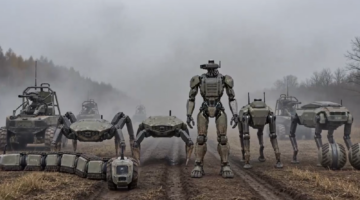
Ex-defense minister’s futuristic ‘Army of Robots’ raises eyebrows in Ukraine
A splashy promo video published by Mykhailo Fedorov envisions humanoid robots in combat, but not everyone is convinced it's the right play.
A splashy promo video published by Mykhailo Fedorov envisions humanoid robots in combat, but not everyone is convinced it's the right play.

According to an internal memo obtained by Breaking Defense, the new role covers all ground vehicles, all small air vehicles and almost all sea vehicles, and reports directly to Deputy Defense Secretary Stephen Feinberg.

Explore how software, edge AI and resilient connectivity can strengthen military logistics in contested environments. Join Breaking Defense on Oct. 21 and earn 1 CPE credit.

“How can we make the science and art of one human being able to control lots of different things easy enough to where I don't have to have four operators controlling a [single] robot?” asked Lt. Gen. Robert Rasch.
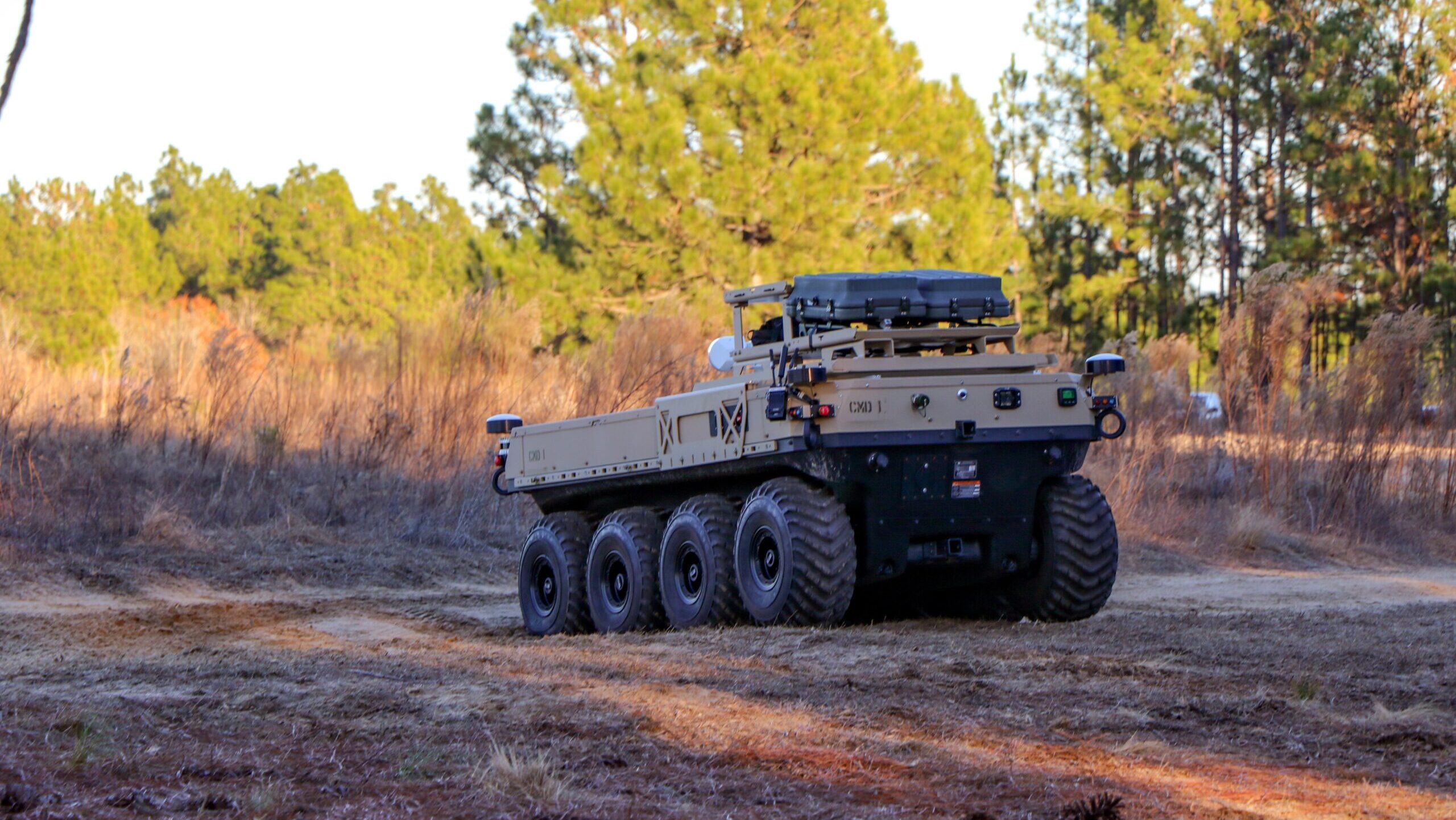
“We don't want a robot wandering off the battlefield. We don't want one being taken over by a potential adversary,” RCCTO Director Lt. Gen. Robert Rasch told Breaking Defense.
“This was a really, really worthwhile experiment out here. … What we don't want to do is just continue to do something just because we want to continue to do it,” Gen. Randy George told Breaking Defense.
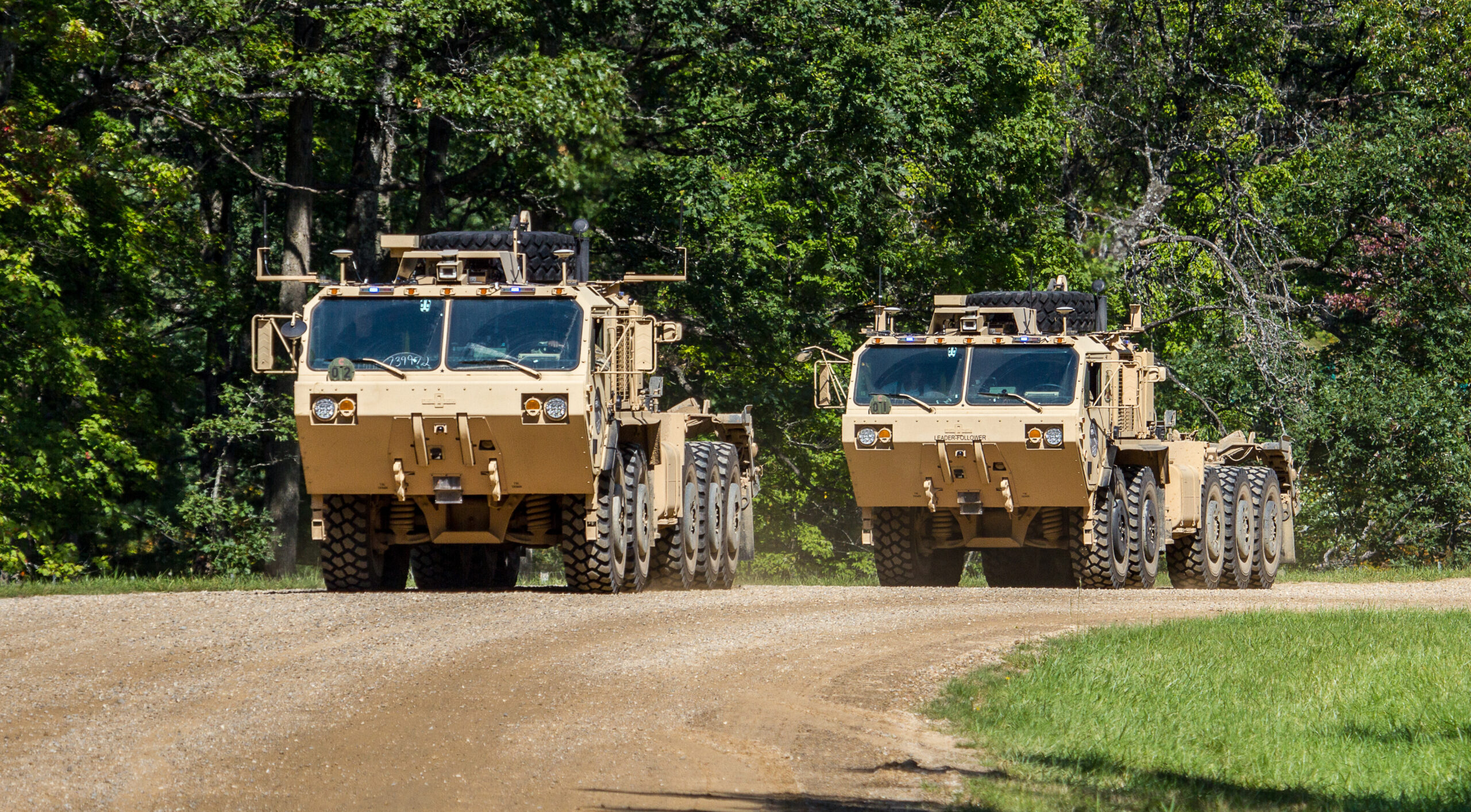
DIU and the service want to make a final downselect by mid-2026 but ongoing budget uncertainty could derail that plan, says Maj Gen Michelle Donahue.

GE Aerospace’s investments in the F110 are paying off in both production and delivery performance.
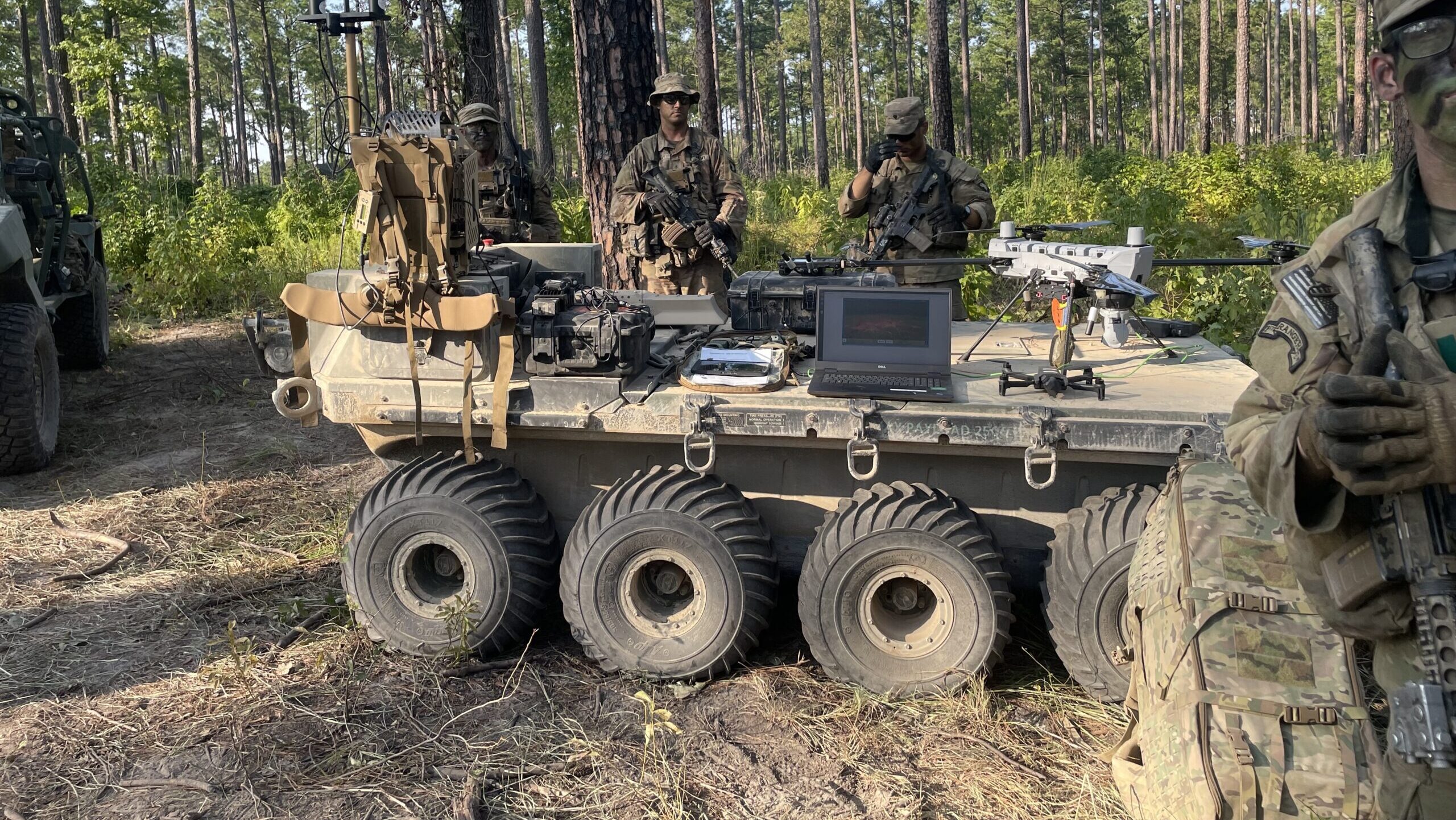
“It's a very draft requirement [with] a lot of work to do on how to refine it, but we have PLS systems – the larger tactical resupply [tucks] – and you have the S-MET and there's really a gap between the two,” said Kevin Mills.

"It's our first robot system like this [that] we're actually going to keep. So, I'm not surprised that there's turbulence in the key technologies, including the radio comm link, which is foundational to the whole thing," said Army acquisition head Doug Bush.

“We need co-r&d, coproduction, and co-sustainment and cooperation. We need to be able to cooperate in various sectors so all this manned and unmanned systems will replace our traditional systems,” said South Korea’s minister for Defense Acquisition Program Administration Seok Jong-gun.

A trio of Army generals recently described the service's plans for two-part Project Convergence event that will include new sensor-to-shooter integration, two formations with added robots, and a USMC autonomous watercraft.

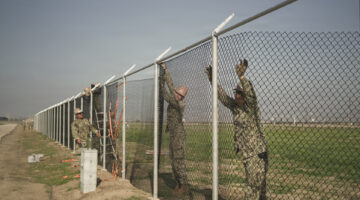
Traditional thinking about how to protect facilities must adapt to new threats such as drones or downstream attacks.
“Every time it's like, go watch one [robotic tactical vehicle] follow another one around the parking lot and it runs over the curb and I'm like, ‘Come on, we got to do better than this,” Gen. James Rainey said today.

Autonomy in the pursuit of interoperability is today’s path for ground robotics.
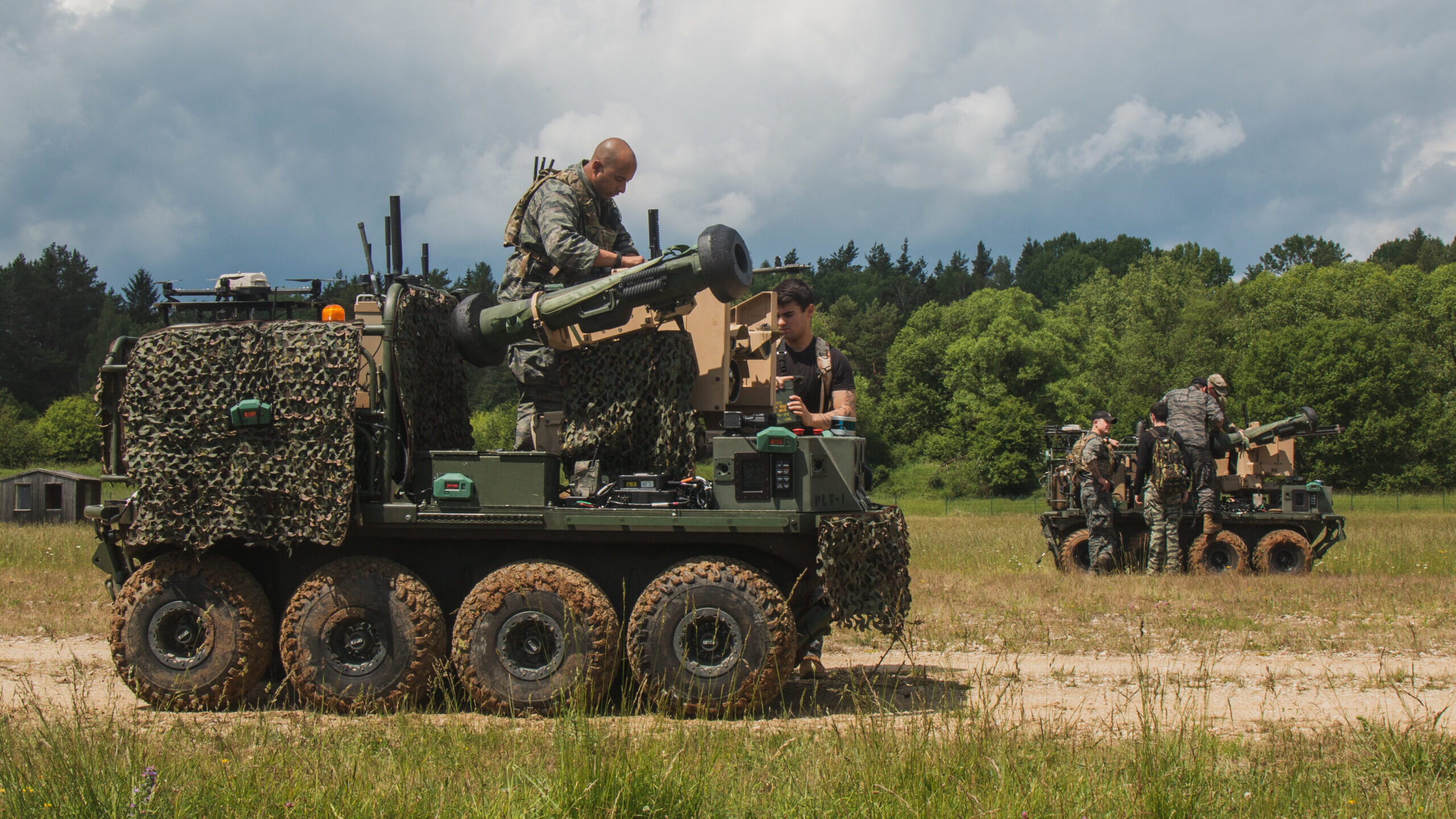
The Army's Project Origin robots have already changed the battlefield in exercises, but the office running the program says they're just getting started.

"What we're trying to do is send as little information as possible that will allow you to build that battlefield visualization for the platoon," Ted Maciuba, deputy director of robotics requirements at Army Futures Command, told Breaking Defense.